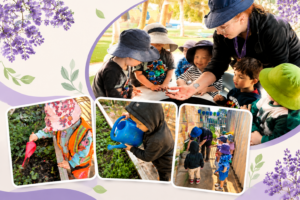

The most valuable lessons in early childhood are not always taught through worksheets or formal instruction. Young children learn by touching, exploring, creating, asking questions and taking part in meaningful everyday experiences.
At Jacaranda Childcare Centre, hands-on education is an important part of play-based early learning. Children are encouraged to investigate materials, work with their friends, communicate with educators and discover new ideas through activities that feel enjoyable and natural.
For families searching for childcare in High Wycombe, this approach gives children opportunities to build confidence, creativity, communication and early learning skills through real experiences.
What Is Hands-On Education?
Hands-on education means children actively participate in the learning process. Instead of only listening or watching, they use their senses, movement and imagination to understand the world around them.
This may include painting, matching picture cards, sensory play, mixing ingredients, sorting objects, using tools and participating in small-group activities.
These experiences allow children to make choices, solve simple problems and learn through trial and exploration. Every activity becomes an opportunity to practise important skills in an age-appropriate way.
Creative Learning Through Art

Creative activities help children express their ideas without needing to find the perfect words.
In one of the learning experiences, a child carefully painted colourful flower shapes using small brushes. This activity supported colour recognition, hand control and concentration while allowing the child to make independent creative choices.
Painting can help children develop:
- Fine motor skills
- Hand-eye coordination
- Creativity
- Colour recognition
- Focus and patience
- Confidence in decision-making
For parents looking for a childcare centre High Wycombe, art activities can show how a centre supports both creativity and early development.
Building Language Through Picture Activities

Picture cards are a simple but powerful early learning resource. Children can identify objects, describe what they see, match pictures and take part in conversations with educators.
During a group picture-card activity at Jacaranda Childcare Centre, children gathered around the table while an educator introduced different images. The children listened, observed and responded together.
This type of activity can support:
- Vocabulary development
- Listening skills
- Memory
- Communication
- Visual recognition
- Group participation
Children also learn to wait, share ideas and listen to the responses of others.
Sensory Play and Early Discovery
Sensory play gives young children the freedom to explore materials using touch, sight and movement.
In the water-based sensory activity, children used cups, bowls and animal figures to scoop, pour and investigate. These actions may look simple, but they support important early learning concepts.
Through sensory play, children begin to understand:
- Cause and effect
- Different textures
- Volume and movement
- Comparing and sorting
- Problem-solving
- Independent exploration
Parents searching for daycare High Wycombe often want a centre where children are actively involved in meaningful learning rather than simply being entertained.
Learning Through Pretend Cooking and Mixing

Pretend cooking activities encourage imagination while introducing children to familiar routines.
Children at Jacaranda explored bowls, spoons, cupcake trays and colourful materials during a group play experience. They mixed, scooped, filled containers and created their own pretend recipes.
This type of hands-on activity supports:
- Imaginative thinking
- Fine motor development
- Social interaction
- Turn-takingEarly maths concepts
- Language development
Children can count scoops, compare quantities and describe what they are making while enjoying playful learning with friends.
Real-Life Learning Experiences
Hands-on education can also include real-life tasks completed with educator support.
During a group mixing activity, children gathered around a large bowl while an educator demonstrated the process. The children watched closely, asked questions and became involved in the experience.
Activities like this help children understand sequences such as first, next and last. They also introduce practical concepts connected with measuring, mixing, texture and change.
These experiences make learning feel relevant because children can connect them with everyday family routines.
The Role of Educators in Hands-On Learning
Educators play an important role in making hands-on activities safe, meaningful and suitable for each child’s stage of development.
They may introduce materials, demonstrate how to use tools, ask open questions and encourage children to explain what they are doing.
Instead of giving every answer, educators can guide children with questions such as:
- What do you think will happen?
- Which colour would you like to use?
- How does it feel?
- Can you find the matching picture?
- What could we try next?
These conversations help children think, communicate and become more confident learners.
Building Confidence Through Participation
Children develop confidence when they are trusted to participate.
Completing a painting, matching a picture, filling a cup or helping with a group activity gives children a sense of achievement. Even when the result is not perfect, the experience teaches them that trying, exploring and learning are valuable.
At Jacaranda Childcare Centre, children are encouraged to participate at their own pace. This helps create a supportive environment where they can try new things without pressure.
Supporting Social and Emotional Development
Hands-on group activities also help children build relationships.
When children share materials, work beside one another or take part in a group task, they practise cooperation and communication. They begin to understand how their actions affect others and how to participate respectfully.
These everyday moments can support:
- Sharing
- Turn-taking
- Friendships
- Emotional confidence
- Patience
- Teamwork
- A sense of belonging
For families comparing High Wycombe childcare options, social and emotional support should be considered alongside educational programs.
Childcare for Families Near High Wycombe
Jacaranda Childcare Centre is located in High Wycombe and may also be convenient for families from nearby areas.
Parents searching for childcare near Forrestfield, early learning near Bushmead or care near Perth Airport may consider the centre when comparing local early learning options.
A convenient location can make daily routines easier while allowing children to build consistent relationships with educators and friends.
Final Thoughts
Hands-on education helps children learn through curiosity, movement, creativity and real participation.
At Jacaranda Childcare Centre, activities such as painting, matching picture cards, sensory exploration, pretend cooking and group mixing give children opportunities to develop confidence, communication, fine motor skills and problem-solving abilities.
The most valuable lessons are often discovered through meaningful everyday moments.
FAQs
1. What is hands-on education in early childhood?
Hands-on education allows children to learn by actively touching, creating, moving, experimenting and participating in real experiences.
2. Why is hands-on learning important for young children?
It supports confidence, creativity, communication, fine motor development, problem-solving and a better understanding of new concepts.
3. What hands-on activities are offered at Jacaranda Childcare Centre?
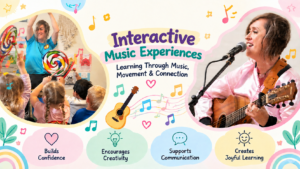
Children may experience creative art, sensory play, picture-card activities, pretend cooking, mixing activities, outdoor play, music and storytelling.
4. How does sensory play support child development?
Sensory play helps children explore textures, movement, cause and effect, coordination and problem-solving.
5. Does Jacaranda Childcare Centre use play-based learning?
Yes. Children learn through age-appropriate play, exploration, social interaction and educator-guided activities.
6. Is Jacaranda suitable for families searching for childcare in High Wycombe?
Yes. Jacaranda Childcare Centre is located in High Wycombe and provides nurturing, hands-on early learning experiences for local families.
7. How do group activities help children?
Group activities support communication, sharing, cooperation, turn-taking, friendships and a sense of belonging.